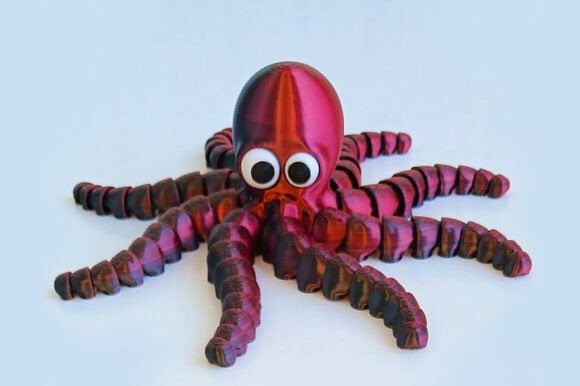
Articulated Octopus – Flexible 3D Model
Bringing the ocean into your home or workspace has never been easier with the Articulated Octopus – Flexible 3D Model. Designed specifically for FDM printing, this model offers a unique blend of functionality and creativity. With fully articulated tentacles that print in place, it eliminates the need for assembly, making it an ideal project for both beginners and seasoned makers. The octopus is not only a fun desk toy but also a great decorative piece that adds a touch of marine life to any space.
The Articulated Octopus – Flexible Print-in-Place 3D Model is optimized for easy printing, requiring no supports and working perfectly with a single filament. This makes it a reliable choice for those looking to create something visually appealing without getting bogged down by complex printing requirements. Its natural movement and flexibility are sure to impress anyone who handles it, making it a popular choice for gifts, fidgeting, or simply as a conversation starter.
Why Choose the Articulated Octopus – Flexible 3D Model?
There are several reasons why the Articulated Octopus – Flexible 3D Model stands out from other 3D printing projects. First and foremost, its design is user-friendly. Unlike many other models that require multiple parts and careful assembly, this octopus prints in one go, reducing the risk of errors during the process. This feature alone makes it a favorite among those new to 3D printing, as it allows them to focus on the joy of creation rather than the frustration of complicated builds.
Another key advantage is its flexibility. The tentacles are designed to move naturally, which means you can watch them wiggle and bend just like a real octopus. This level of detail is often overlooked in other models, but it's what makes this particular design so engaging. Whether you're using it as a desk toy or a decorative piece, the movement adds an extra layer of realism and satisfaction.
Additionally, the Articulated Octopus – Flexible Print-in-Place 3D Model is perfect for those who want to experiment with different materials. Since it doesn't require any special filaments or additional tools, it's a great way to test the limits of your printer while still achieving high-quality results. It’s also a fantastic option for educators and creators looking to inspire others with hands-on, interactive projects.
Common Mistakes and How to Avoid Them
While the Articulated Octopus – Flexible 3D Model is designed to be simple and efficient, there are still some common mistakes that users might make. One of the most frequent issues is not checking the printer settings before starting the print. Even though the model is optimized for FDM printing, certain parameters such as nozzle size, temperature, and infill percentage can affect the final outcome.
For example, if the nozzle is too large, the details of the tentacles may not come out as intended, leading to a less flexible and less realistic result. To avoid this, it's important to ensure that your printer is set up correctly and that you're using the recommended settings provided by the model creator. Taking the time to review these specifications can save you a lot of trouble later on.
Another mistake is assuming that because the model requires no supports, it will print flawlessly every time. While this is generally true, factors such as bed adhesion and layer height can still impact the quality of the print. If the first layer isn’t properly adhered to the build plate, the entire print could fail, especially with more intricate designs like the tentacles of the octopus.
To prevent this, it's essential to prepare your build plate properly. Using a glass bed or applying a thin layer of glue or hairspray can help improve adhesion and reduce the risk of warping or detachment during the print. Additionally, ensuring that your printer is level and that the extruder is calibrated correctly will significantly improve the chances of a successful print.
What to Check Before Printing
Before diving into printing the Articulated Octopus – Flexible 3D Model, there are a few things you should check to ensure the best possible outcome. First, make sure you have the correct file format. Most 3D printers use STL or G-code files, so it's important to confirm that the model you've downloaded is compatible with your specific printer.
Next, consider the type of filament you're using. Although the model works well with a single filament, some types of filament may produce better results than others. For instance, TPU or FlexiFilament can offer greater flexibility, which is crucial for the tentacles to function properly. On the other hand, rigid filaments like PLA or ABS may not provide the same level of movement and could result in a less satisfying experience.
Finally, take the time to review the slicing settings in your software. Adjusting parameters such as layer height, wall thickness, and infill density can have a significant impact on the final product. A lower layer height will produce smoother surfaces, while a higher wall thickness will increase durability. Finding the right balance between these settings will help you achieve the best results possible.
The Articulated Octopus – Flexible Print-in-Place 3D Model is more than just a fun project—it's a testament to the power of 3D printing. With its smooth, satisfying movement and eye-catching design, it's a great way to bring a bit of the ocean into your home or office. Whether you're a beginner or an experienced maker, this model offers a rewarding and enjoyable printing experience that's sure to impress.